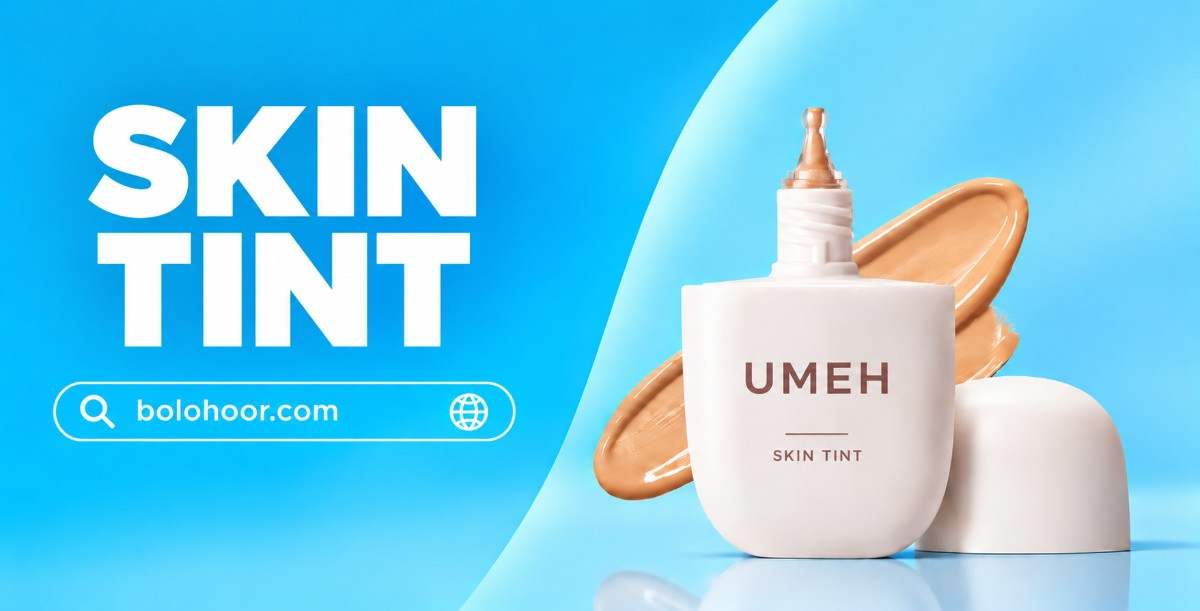
When I first heard about skin tint, I thought it was probably a lighter variation of the foundation, but after trying it and understanding the different base products, I came to know that the purpose of skin tint is a little different, its focus is on light coverage, which is to make the skin look natural and fresh.
Nowadays, the trend of lightweight and natural-looking base makeup is quite popular, and skin tint is a great option for this type of makeup look.
What is Skin Tint?
Skin tint is a lightweight coverage product that typically provides lighter and sheer coverage.
I found the most different thing about skin tint to be that after applying it, there is no heavy feeling of makeup applied on the face. The natural look of the skin remains visible but the overall complexion is a little more even.
Some skin tints also contain skincare ingredients and SPF, but not every skin tint has the same formula, so it is important to check the ingredients and label before buying this product.
What is the difference between skin tint and foundation?
This is one of the biggest questions and honestly I too was confused about this in the beginning.
Skin Tint:
- Sheer to light coverage
- Lightweight texture
- Natural and fresh finish
- Keeps natural skin visible
- Useful for everyday or no-makeup makeup looks
Foundation:
- Light to full coverage
- More pigment
- With this you can get a satin, matte and dewy finish.
- Foundation may be suitable for special occasions and fuller makeup looks
How to choose skin tint shade?
It gives light coverage but it does not mean shade selection is not important.
When choosing skin tint, it is better to compare along the neck and jawline. Undertone should also be checked. Warm, cool or neutral.
If you are ordering online, then check the description and swatches of the brand; just checking the color of the bottle may be risky.
How to apply skin tint?
This is the simple method I found for applying it.
Step 1: Prepare the skin
After cleansing my face, I complete my normal skincare routine. If I apply moisturizer, I let it settle into the skin first.
Step 2: Shake the skin tint
If there are instructions for shaking on the product label, check the bottle before doing so.
Step 3: Start with a small amount
I first apply a small amount of it on the forehead, nose and chin or cheeks and then add a little more if needed.
Step 4: Blend it
Fingers, a makeup sponge or a brush can be used to evenly blend skin tint, I find it easier to apply with fingers for quick everyday makeup.
Step 5: Concealer if needed
If extra coverage is required on a particular area, then a second heavy layer should not be applied on the entire face and a little concealer can be applied there. This way the base remains lightweight and there is no unnecessary product.
Is skin tint buildable?
Depending on the formula of the product, some formulas remain sheer while some formulas help in building light coverage through layers.
I prefer thin layers. Applying too much product at once can make it difficult to maintain the natural finish.
If you want to hide dark spots, pigmentation or a specific area, it is more practical to use a targeted concealer instead of using it as a foundation and layering it repeatedly.
For which makeup look is skin tint best?
I find skin tint especially suitable for no-makeup makeup, everyday makeup, casual outings and simple fresh looks.
If I just want to make my face look fresh and natural, then I don’t feel the need for full coverage foundation. With this, simple makeup gets completed by adding concealer, blush and brows.
The lightweight base trend is also popular with makeup looks where the makeup looks polished but the skin is not fully covered.
Common Mistakes of Skin Tint
I have also noticed some common mistakes about skin tints.
The first mistake is to expect coverage like foundation. Skin tints are not intended to have heavy coverage.
The second mistake is not checking the shade properly. Despite having light coverage, the color undertone can create a difference between the face and neck.
The third mistake is applying too much product; start with a small amount and build according to the need.
If the application does not suit the formula of the product, then it may appear cakey, hence it is useful to keep the preparation simple and lightweight according to your skin.
Can Skin Tint Replace Foundation?
For me, the answer depends on the occasion.
In everyday makeup, if I want light and natural base, then skin tint can easily replace the foundation, but for wedding photography or any event where I want more coverage, I will prefer foundation.
So I think the answer is not fixed between skin tint and foundation; the purpose of both is different.
Final Thoughts
After understanding the skin tint, I felt that it is not a simple replacement of foundation but a lightweight base makeup option. Its coverage is usually very light and does not completely cover the natural skin.
If you don’t like heavy foundation and you prefer fresh and simple skin in everyday makeup then trying skin tint is worth considering.
While choosing the product, consider shade, undertone, finish and coverage according to your actual needs.
Want to learn more about Strawberry Skin? Read our guide on Strawberry Skin: What I Learned?
FAQs
Can skin tint be used daily?
Yes, it can be used for everyday lightweight makeup.
Does it cover acne and dark spots?
Usually it gives sheer to light coverage, so you should not expect full coverage.
Is it necessary to apply moisturizer under skin tint?
If you have a moisturizer in your skincare routine, it can be applied before makeup. Also check the product instructions.
Can we apply concealer after skin tint?
Where extra coverage is required, you can use concealer.
Does skin tint replace sunscreen?
If it also contains SPF, do not automatically consider it a replacement for sunscreen. Follow the product label and sunscreen directions.
Skin tint and foundation: which is better for beginners?
If you like light natural makeup then skin tint can be an option, if you want to do more then foundation can be a better choice.