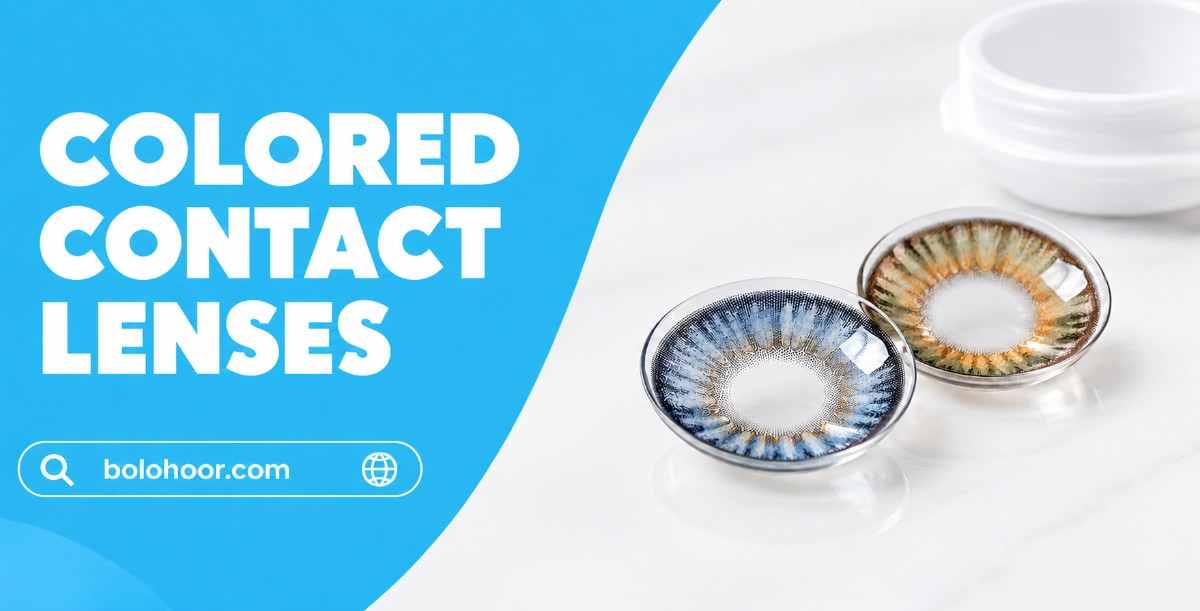
Colored contact lenses always seemed interesting to me. Sometimes I saw someone with brown eyes, sometimes gray and sometimes hazel. I also used to think that changing the eye color can make the makeup look so different.
But when I thought of trying colored contact lenses myself, I was most confused about the same thing. I wanted that after the lenses, I would look different but not so much that it would look artificial.
From this experience, I understood that while choosing colored contact lenses, it is not necessary to just look at the favorite color.
Natural eye color, skin tone, hair color and make-up can change the look and appearance.
If you too are thinking of colored contact lenses, then go for soft natural ones; this simple guide of mine can be useful for you. Safety First: Colored Contact Lenses Are Medical Devices Colored contact lenses are medical devices, not just fashion accessories. Always get an eye exam and a proper fitting from an eye-care professional before wearing them, buy only from licensed sellers, never share lenses with anyone, and follow the hygiene and replacement schedule strictly. If you feel irritation, redness, or blurred vision, remove the lenses immediately and see an eye doctor.
What are colored contact lenses?
In simple words, colored contact lenses are such lenses which are made to show the visible color difference of the lenses and are available in different shades like brown, hazel, gray, green, blue, purple.
On some people the brown lenses look soft, while on others they can be more noticeable.
Therefore, I do not think it is enough to take a decision just by looking at the product picture of the lens or a video.
My first experience
When I first started looking at shades of colored contact lenses, I found the bright colors very attractive, but for daily use I wanted something that would blend easily with my natural eyes.
I have compared different brown, hazel and gray shades.
Gradually I understood that the lens should not be very bright for a natural look.
Sometimes soft-toned or muted hazel shades can give it a different look. It also keeps the overall experience simple; that is why now, while choosing lenses, I not only look at the color but also at the complete look.
Brown shades for a natural look
Brown lenses are my choice among the options of colored contact lenses, especially when I want a simple look.
Light brown lenses can give a warm and soft look to the eyes, especially when the natural eye color is also dark.
Brown shades are also my favorite because they go with everyday makeup.
If you are trying colored lenses for the first time and do not want a very dramatic change, then you can consider brown shades.
Look of Hazel shades
Hazel lenses seem to me to be an interesting mix between brown and green.
Some hazel lenses have a light green or golden effect along with a brown base.
Their final look can be different according to the natural eye color. The hazel shade may look more noticeable on darker eyes, while on lighter eyes it may look comparatively soft.
I like hazel lenses for looks where I need a little stand-out but don’t want a completely different color.
Gray Lens Experience
Gray lenses seemed attractive to me from the very beginning. I found the look of gray eyes very pretty in the photos, but for a natural look, it is better to be careful about the shade.
A very light gray shade can be very noticeable on some people. You can look at medium or muted gray.
In my personal choice, gray lenses look more interesting with evening makeup or a party look, but for simple daytime looks I prefer softer shades.
Green and Blue Shades
Green and blue lenses give a very noticeable look to the eyes.
For me, these shades are more interesting for special makeup looks than for a daily natural look. If you are trying lenses for an event photo shoot or different makeup style, then green and blue shades can be good.
Don’t ignore your natural eye color
My most important learning was that while choosing lenses, one must consider colors close to their natural eye color.
The result of a light shade can be noticeable on dark brown eyes. Similarly, the same lens can appear comparatively soft on light brown eyes.
Therefore, it is not right to consider the model picture of the product as your final result picture. The same lens may look different on your eyes. If possible, I find it more useful to get an idea of the shade by looking at the pictures or videos of real customers.
My favorite way to choose a shade
If I have to give someone a simple idea to choose color contact lenses, then I would say that first decide what type of look you want.
If you want a soft and natural look, then you can start with brown or muted hazel.
If you want to make it a little noticeable, then you can look at gray or lighter hazel shades.
And if you want to try completely different ones, then green or blue shades can also be explored.
I have also noticed that a natural look does not mean that the lenses should be completely invisible; the lenses can be noticeable as long as there is balance with the overall face.
FAQs
Which lens shade is good for a natural look?
Brown and soft hazel can be good options for a natural look.
Are colored lenses visible on dark eyes?
Yes, but final appearance may be different according to lens shade and natural eye color.
Can gray lenses look natural?
I find that muted gray shades can look softer than very light gray shades.
Is it necessary to choose lens shade according to skin tone?
Not necessary, but it can help balance the overall look.
Can colored lenses be worn with makeup?
Yes, colored lenses can be worn with makeup. Put your lenses in before applying makeup and take them out before removing makeup.
What is the first thing to look for when choosing lenses?
Check desired look, natural eye color, lens details and prescription information from a licensed seller or eye-care professional to get your desired look for natural eyes.
Want to learn more about underarm serum? Read our guide on Underarm Serum: What Is It & Why Is It Trending?
This article is general information only, not medical advice. Consult an eye doctor before wearing contact lenses.